
- 15 degree cat bowl, 360 neck support, abs stand bowl, acrylic stand bowl, anti tip bowl, ceramic pet bowl
- Electric Pets
Is the Bowl Causing Your Cat's Chin Acne? A Shop Owner Urges: Switch to This Ceramic Elevated Bowl
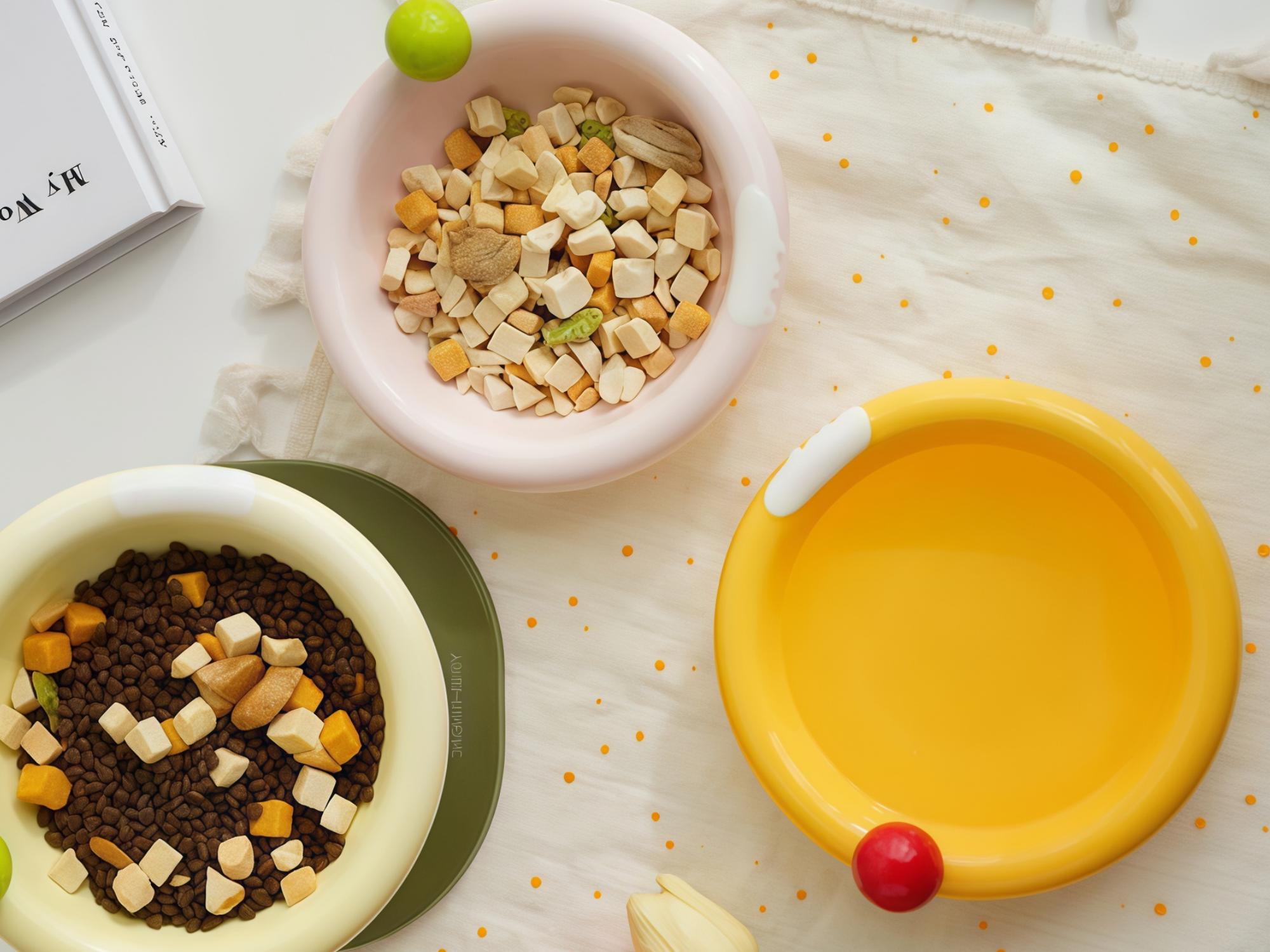
Is the Bowl Causing Your Cat's Chin Acne? A Shop Owner Urges: Switch to This Ceramic Elevated Bowl
Key Takeaways
- Feline chin acne is often linked to plastic or poorly cleaned bowls; switching materials can resolve many cases.
- Ceramic elevated bowls reduce chin contact with surfaces, minimize bacterial buildup, and support neck posture.
- Proper bowl care—including regular cleaning and avoiding wood stand soaking—extends the product's life and prevents recurrence.
- This article provides actionable guidance for cat owners trying to determine if their bowl is the root cause.
1. Introduction

If your cat has developed black specks, red bumps, or crusty patches under its chin, you are likely searching for a solution. These symptoms often point to feline chin acne, a common but frustrating condition. Many cat owners try ointments, dietary changes, or vet visits first. However, one overlooked trigger sits right in your home: the bowl.
A pet shop owner with firsthand experience in product testing urges owners to switch from plastic or deep, narrow bowls to a ceramic elevated bowl. This switch can address the root cause of chin acne for many cats. The underlying principle is simple: reducing chin contact with bacteria-trapping surfaces and improving the angle at which your cat eats.
This article explains exactly why the bowl might be causing the problem, what to look for in a replacement, and how to use and maintain a ceramic elevated bowl to prevent future breakouts.
2. How Plastic Bowls Trigger Chin Acne
Core conclusion: Plastic bowls harbor microscopic scratches that collect bacteria and food residue, which rub against your cat's chin and clog hair follicles—a primary cause of feline acne.
Many standard pet bowls are made from plastic. While inexpensive, plastic has a significant drawback: it scratches easily. Each scratch becomes a tiny, invisible refuge for bacteria and leftover food oils. When your cat presses its chin against the edge of the bowl to eat, these bacteria transfer directly onto their skin. Over time, the follicles become clogged and inflamed, leading to the blackheads and pimples characteristic of chin acne.
Why this happens:
- Scratched surfaces: Unlike ceramic or glass, plastic cannot be effectively sanitized once scratched. The cracks protect bacteria from washing away.
- Low surface energy: Plastic's porous nature binds to oils and proteins, creating a biofilm that standard dish soap may not fully remove.
- Constant contact: Cats that press their chin into the bowl while eating experience repeated friction and microbial exposure in the same spot every day.
Scenarios and advice:
- If you are currently using a plastic bowl, switch immediately to a non-porous material like ceramic, glass, or stainless steel.
- Avoid "self-cleaning" or "anti-bacterial" plastic claims—no plastic is truly non-scratch in daily use.
- A ceramic elevated bowl reduces chin contact because its angled rim allows the cat to eat without lowering its head into the bowl.
Practical tip: Inspect your cat's bowl under bright light. If you see visible scratches or a rough surface, replace it. Even a bowl that appears clean can accumulate harmful bacteria in those micro-crevices.
3. Why Elevated Bowls Improve Chin Acne and Posture
Core conclusion: Raising the bowl reduces chin contact with the rim and decreases the amount of food particles that fall onto the chin, while also improving neck and spine alignment.
An elevated bowl raises the food and water to a height where your cat does not have to bend its neck sharply downward to eat. This change provides two distinct benefits for chin acne:
- Reduced chin pressure: When a bowl sits on the floor, the cat must press its chin into the bowl edge to reach the bottom. An elevated design allows the cat to eat from a more natural, low-pressure angle. Less pressure means less friction and less opportunity for bacteria from the bowl surface to be rubbed into the skin.
- Less dirt and food contact: With a standard low bowl, food crumbs and water often splash onto the chin. An elevated bowl keeps the chin above the food line, reducing the chance of particles sticking to the skin and clogging pores.
Posture benefit (supported by design observations from the industry):
- Elevated bowls help align the head, neck, and spine, which is especially beneficial for older cats or those with arthritis.
- The manufacturer's instructions for elevated bowls often note: "place on a stable surface and handle with care" [K3] to prevent tipping, which highlights their focus on stability.
Scenarios and advice:
- Choose an elevated bowl that stands at least 3–6 inches off the ground, depending on your cat's shoulder height.
- Test by observing your cat eating: if its head is angled below its shoulders, the bowl is too low.
- An adjustable-height stand can be ideal for growing kittens or multi-cat households with different sizes.
Real-world scenario: A cat owner who switched from a scratched plastic floor bowl to a ceramic elevated bowl saw chin acne clear within 10 days of consistent use and regular bowl cleaning.

4. Ceramic as the Preferred Material: Hygiene and Durability
Core conclusion: Ceramic bowls offer non-porous, scratch-resistant surfaces that can be fully sanitized, making them superior to plastic and often better than stainless steel for heavy-breed cats.
Ceramic has become the recommended material for cats prone to chin acne because of its physical properties:
- Non-porous surface: Ceramic does not absorb liquids or oils. Even after repeated use, it resists bacterial colonization far better than plastic.
- Scratch-resistant: While not indestructible, high-fired ceramic resists scratching from kibble and normal use. Scratches do appear over years, but they remain superficial and can be cleaned effectively.
- Weight and stability: Ceramic bowls are heavy, reducing sliding and tipping during meals. The cleaning instructions for ceramic products emphasize cleaning regularly to reduce residue buildup [K3].
Important usage rules (based on product instructions [K3]):
| Action | Rule |
|---|---|
| Microwave | Remove wood base before microwaving. Only microwave if ceramic is clearly labeled microwave-safe. |
| Dishwasher | Remove wood base before dishwashing. |
| Cleaning | Wipe wood stand dry promptly; avoid soaking to prevent warping. |
| Replacement | Replace the ceramic bowl if it becomes chipped, as chips create rough edges that can trap bacteria. |
| Stability | Place on a stable, non-slip surface to prevent breakage. |
Comparison with other materials:
| Material | Chin Acne Risk | Durability | Sanitization |
|---|---|---|---|
| Plastic | High (scratches harbor bacteria) | Poor (scratches easily) | Low (cannot fully sanitize) |
| Stainless Steel | Low (non-porous) | Very high | High (dishwasher safe) |
| Ceramic | Very low (non-porous, scratch-resistant) | High (but breakable) | High (hand wash or dishwasher) |
Scenarios and advice:
- If your cat is a heavy eater that bumps or pushes the bowl, ceramic's weight prevents movement.
- Always check for a microwave-safe or dishwasher-safe label before automated cleaning.
- The "remove wood base before microwaving or dishwashing" instruction [K3] is critical—the wood stand is not heat- or water-proof.
Practical tip: After purchasing a ceramic elevated bowl, soak it in warm, soapy water for 10 minutes before first use to remove any manufacturing residue, then rinse thoroughly.
5. Cleaning and Maintenance Checklist
Keeping the bowl free of bacteria is as important as the material itself. Here is a step-by-step maintenance routine derived from product guidelines [K3] and veterinary best practices:
- Daily cleaning: Hand wash the ceramic bowl with hot, soapy water or place it in the top rack of the dishwasher (after removing the wood stand).
- Wood stand care: Wipe the wood base with a damp cloth and dry immediately. Never submerge the wood stand, as soaking causes warping and cracking.
- Weekly deep clean: Fill the ceramic bowl with a diluted 50:50 water and white vinegar solution, let it sit for 15 minutes, then scrub with a dedicated bowl brush (not a sponge used for human dishes) to remove any biofilm [K4].
- Inspect for damage: Check for chips or cracks every week. If a chip develops, replace the bowl immediately to prevent bacteria from entering the damaged area.
- Replace when needed: Most ceramic bowls last 1–3 years with proper care. If you notice persistent acne despite proper cleaning, replace the bowl and check your cat's water source.
Cleaning product recommendation (from pet store knowledge [K4]):
- Use a dedicated pet bowl brush that does not hold odors and dries fast between uses.
- Avoid abrasive scouring pads that could scratch the ceramic glaze over time.
6. FAQ
Q1. Can switching to a ceramic elevated bowl cure my cat's chin acne immediately?
No single change guarantees an instant cure, but switching from a plastic bowl to a clean ceramic elevated bowl eliminates a common trigger. If chin acne persists after 2–3 weeks of consistent bowl change and daily cleaning, consult a veterinarian to rule out allergies, bacterial infections, or hormonal causes.
Q2. How high should an elevated bowl be for my cat?
A general guideline: the bowl's rim should be approximately at your cat's chest or lower jaw level when standing normally. For most domestic cats, that translates to 3–6 inches (about 8–15 cm) of elevation. Cats with longer legs may need a slightly taller stand. Observe your cat eating—if it has to lower its head sharply, increase the height.
Q3. Is stainless steel also a good option for chin acne?
Yes, stainless steel is non-porous and can be cleaned thoroughly. However, it is lighter than ceramic, which may cause sliding or tipping if your cat is an aggressive eater. Stainless steel bowls also do not offer the elevated stand option as commonly as ceramic models. If you choose stainless steel, ensure it has a non-skid base and is BPA-free.
Q4. Can I clean a ceramic elevated bowl in the dishwasher?
Yes, but only if the ceramic bowl itself is dishwasher-safe (most glazed ceramic bowls are). Always remove the wood base before placing the ceramic bowl in the dishwasher. The wood stand must be hand-wiped and dried. Never put the entire bow + stand assembly in the dishwasher.
7. Conclusion
If your cat is suffering from persistent chin acne, the bowl you use may be the overlooked culprit. Switching from a plastic bowl to a ceramic elevated bowl directly addresses two root causes: bacterial contamination from scratched surfaces and excessive chin contact during eating.
Final judgment: For most cases of feline chin acne, this switch is a low-cost, low-risk first step that can resolve the issue without medication. Combine it with simple daily cleaning habits (including proper care of the wood stand) to maintain the benefit.
Next steps for you:
- Inspect your current bowl: is it plastic, scratched, or low to the ground?
- If yes, purchase a ceramic elevated bowl that is microwave-safe (for easy cleaning) and comes with a removable wood base.
- Wash the bowl thoroughly before first use, and commit to daily cleaning afterward.
- Monitor your cat's chin for 2–3 weeks. If acne clears, you have identified the cause.
By making this one equipment change, you give your cat a cleaner, more comfortable eating experience while protecting their skin health.
