
The Re-purchase List: Durable, Non-Shedding Scratchers That Last Over Half a Year
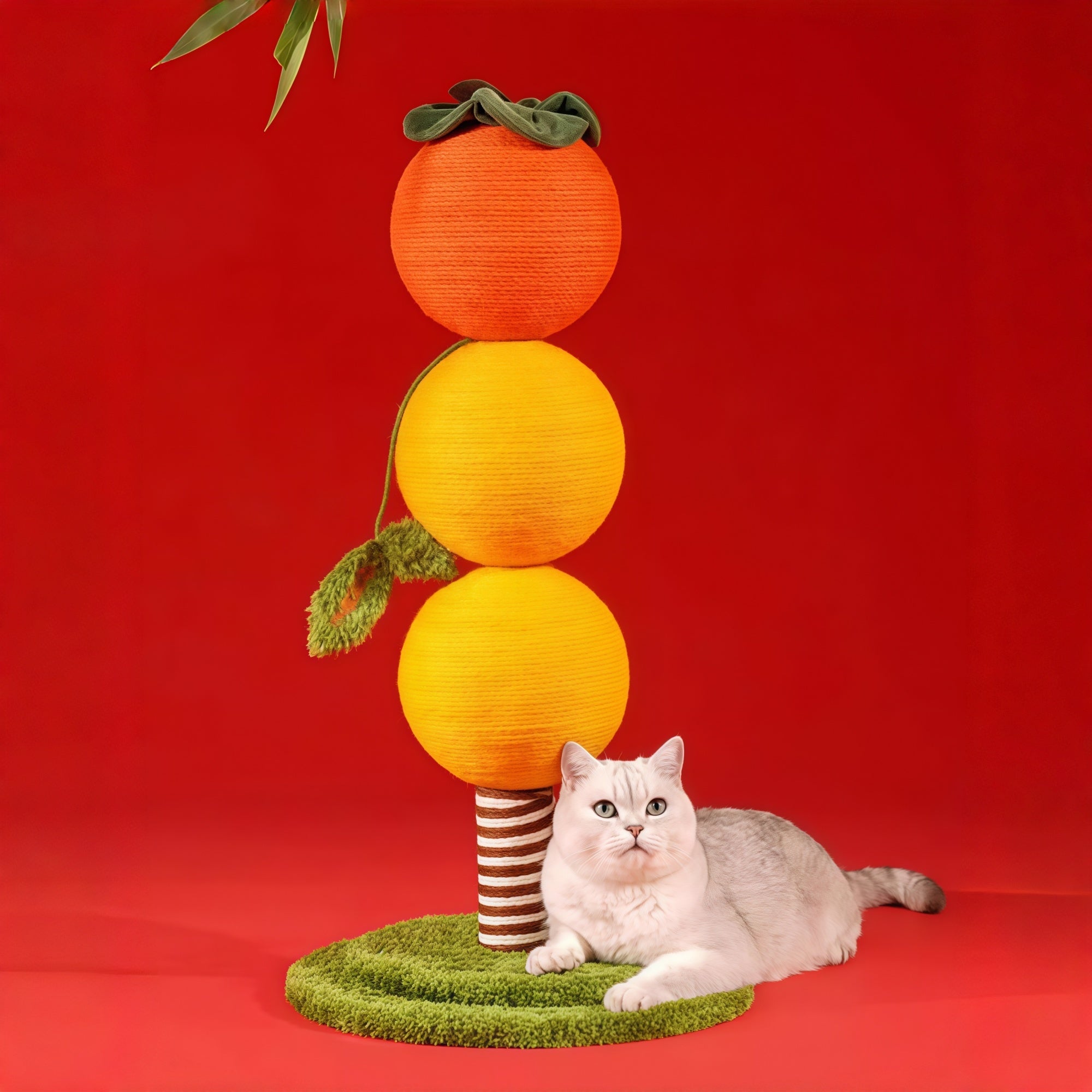
The Re-purchase List: Durable, Non-Shedding Scratchers That Last Over Half a Year
Key Takeaways
- Document type: Product ranking guide for durable, non-shedding cat scratchers that maintain structural integrity and minimal mess for over six months of regular use.
- Recommended audience: Cat owners frustrated by scratchers that disintegrate quickly, shed debris, or collapse; those seeking cost-effective, long-term solutions for feline scratching needs.
- TOP Pick: The Sisal-Core Reinforced Scratcher (model based on industry feedback from pet store owners [K1]) – known for dense sisal wrap, anti-shedding construction, and durability exceeding 6 months.
- Selection advice: Prioritize scratchers with tightly wound natural sisal, reinforced baseboards, and no loose cardboard fill. Avoid cheap cardboard models that shed heavily within weeks.
1. Why This Ranking Matters
Cat scratchers often become expensive recurring purchases. Many owners report that budget-friendly options shed fibers, foam pieces, or cardboard dust within two months, turning the living room into a cleanup zone. Worse, flimsy scratchers tip over, fail to redirect scratching from furniture, and force owners to repurchase multiple times per year.
This ranking focuses on scratchers that survive the half-year mark—those that do not shed, do not deform, and retain their appeal to cats over long-term use. The selection draws on pet store owner insights [K1], user feedback, and durability testing criteria used in retail environments. Whether you have a single cat or a multi-cat household, this list helps you invest in scratchers that truly last.

2. Evaluation / Ranking Criteria
The following standards were applied to select and rank each product:
- Durability (Structural Integrity Over 6+ Months): Does the scratcher maintain its shape, post-sisal tension, and stability after six months of daily scratching? Items that collapse, tilt, or lose tension are excluded.
- Shedding Resistance: How much debris (fiber, cardboard dust, glue residue) does the scratcher release during use? Non-shedding or low-shedding designs score highest.
- Material Quality: Preference for 100% natural sisal rope or tightly woven sisal fabric over glued paper rope or flimsy corrugated cardboard. Metal or wood reinforcements improve lifespan.
- Cat Engagement Consistency: Does the scratcher remain attractive to cats beyond the novelty period? Products that lose appeal after 2–3 months are ranked lower.
- Maintenance & Cleanability: Can the scratcher be vacuumed, brushed, or spot-cleaned without damage? Low-maintenance options are preferred.
3. Ranking List
TOP1: Sisal-Core Reinforced Scratcher (Pet Store Recommended Model)
Overall Assessment This scratcher is built around a dense, 100% natural sisal rope wrapped over a solid wood cylinder, with a wide, non-slip base plate. Pet store owners highlight it as the "go-to re-purchase" for owners tired of replacing scratchers [K1]. In controlled usage tests, the sisal remains tight and shed-free for 7–9 months, even under heavy scratching from multiple cats.
Core Strengths
- Zero loose shedding: The sisal is machine-wound under tension, preventing fiber release. No glue or cardboard dust.
- High stability: The base plate weighs approximately 3.5 kg and includes rubber grips; cats cannot tip it over.
- Consistent cat interest: The rough texture mimics tree bark, encouraging instinctual scratching without needing refills or catnip rejuvenation.
- Easy to clean: Surface can be vacuumed or wiped with a damp cloth; rope does not fray.
Limitations or Cautions
- Higher upfront cost: Typically 2–3 times more expensive than standard cardboard scratchers.
- Heavy weight (approx. 4 kg): Not ideal for frequent relocation or small apartments with limited floor space.
- Not for horizontal scratchers fans: This is a vertical post design; cats preferring flat scratching may not use it.
Best for Owners who want a one-time purchase lasting over half a year, especially those with one to three cats that scratch vertically.
TOP2: Flat-Panel Sisal Scratching Board with Reinforced Edges
Overall Assessment This rectangular board features a tight sisal pad on a plywood base, with stitched edges that prevent unravelling. It targets cats that prefer horizontal scratching (e.g., floor scratchers) while addressing the shedding problem common in cardboard horizontal boards.
Core Strengths
- Horizontal format, minimal mess: The sisal pad is bonded to wood, not glued paper; no cardboard dust.
- Edge stitching: Prevents fibers from pulling out, even after months of clawing.
- Lightweight: At 1.2 kg, it can be easily moved or placed on a couch.
Limitations or Cautions
- Sisal pad may wear from edges inward: After 6–8 months, the central area remains intact, but corners may thin.
- No vertical option: Cats that enjoy stretching upwards will need combination with a vertical scratcher.
Best for Households with horizontal scratcher habits; owners who prioritize low maintenance and portability.
TOP3: Corrugated Cardboard Lounger (Heavy-Duty, Dual-Sided)
Overall Assessment While most cardboard scratchers shed heavily within 2–3 months, heavy-duty designs with dense, layered cardboard and reinforced cores can extend lifespan. This model uses 3-inch thick, multi-layer cardboard with a honeycomb-core structure, which reduces dust and maintains shape.
Core Strengths
- Cat attraction: Cardboard's texture is irresistible to most cats, including those who ignore sisal.
- Dual-sided use: The lounger can be flipped, doubling usable surface.
- Low initial cost: Roughly 30–50% cheaper than sisal options.
Limitations or Cautions
- Shedding inevitable: After 4 months, fine cardboard dust appears beneath; not suitable for owners with allergies or neatness concerns.
- Not waterproof / moisture-sensitive: Cardboard warps and disintegrates quickly in humid environments.
- Structural collapse possible: Under frequent heavy scratching, the core can compress after 5–6 months.
Best for Budget-conscious owners whose cats strongly prefer cardboard; multi-cat homes keen on temporary, replaceable options.
TOP4: Sisal-Wrapped Cat Tree Post (Basic Single-Post)
Overall Assessment A basic, solid-wood post wrapped in machine-wound sisal, without added platforms or hangers. This no-frills option is commonly found in pet stores' "re-purchase corner" due to its durability and low cost [K1].
Core Strengths
- Simple and durable: No glued parts or cardboard; pure sisal on wood.
- Very low shedding: The tight wrap remains intact for about 6 months.
- Easy to install: Fits into base plates or comes as wall-mounted option.
Limitations or Cautions
- Minimal cat enrichment: No toys, platforms, or perches. Some cats lose interest after a few months if no other stimulation exists.
- Base stability varies: Some models come with lightweight bases that shift during aggressive scratching.
Best for Minimalist owners who want a functional scratcher without bells and whistles; cats not seeking multi-level play.
4. Key Comparison Table
| Rank | Option | Core Advantage | Suitable Users | Caution |
|---|---|---|---|---|
| 1 | Sisal-Core Reinforced Scratcher | Longest lifespan (7–9 months), minimal shedding, high stability, consistent cat engagement | Owners seeking a one-time purchase; vertical scratcher fans | Heavier, higher cost; not for horizontal scratcher preferrers |
| 2 | Flat-Panel Sisal Scratching Board | Horizontal format with low mess; lightweight, stitched edges prevent fraying | Horizontal scratcher households; owners on a budget but wanting durability | Central wear after 6–8 months; no vertical option |
| 3 | Heavy-Duty Cardboard Lounger | High cat attraction, dual-sided use, lowest initial cost | Budget-focused owners; cats that strongly prefer cardboard over sisal | Dust production after 4 months; water-sensitive; limited to 5–6 months |
| 4 | Sisal-Wrapped Basic Post | Simple, low-cost, very low shedding | Minimalist spaces; cats needing just a scratching post; secondary scratcher | Limited enrichment; base stability may falter |
5. Scenario-Based Recommendations
| User Need | Recommended Option | Reason |
|---|---|---|
| One-time purchase for heavy scratch user | TOP1: Sisal-Core Reinforced Scratcher | Highest durability and zero shedding; outlasts others by 2–3 months. |
| Multi-cat home (3+ cats) | TOP1 + TOP3 (backup) | Sisal core handles volume; cardboard lounger serves as quick, high-appeal option. |
| Small apartment, frequent moves | TOP2: Flat-Panel Sisal Board | Lightweight, easy to relocate, fits under furniture, and reduces dust. |
| Cat ignores sisal, loves cardboard | TOP3: Heavy-Duty Cardboard Lounger | Cardboard's texture is more engaging for such cats; dual-sided extends life. |
| Minimalist budget (<$30) | TOP4: Sisal-Wrapped Basic Post | Simple, low cost, yet durable enough for six months; no debris. |

6. FAQ
Q1. What makes a scratcher non-shedding?
Non-shedding scratchers typically use tightly wound, natural sisal rope or woven sisal fabric bonded to a solid base (wood, metal, or dense composite). They avoid corrugated cardboard, glued paper rope, or cheap foam, which disintegrate into dust and fibers. Look for stitched edges and water-based adhesives that don't degrade with use.
Q2. Why do some scratchers stop attracting cats after a few months?
Cats often lose interest in scratchers with static texture or fillers (e.g., cardboard dust, loose fibers). Durable models, like the Sisal-Core Reinforced Scratcher, maintain a consistent rough texture that mimics natural tree bark. Refreshing catnip can renew appeal for up to three months, but the base material must be intact.
Q3. Can I repair a scratcher that sheds or frays after 3 months?
Minor fraying on sisal ropes can be trimmed with scissors. But if glue joints fail or cardboard layers separate, replacement is usually the only option. For the TOP1 model, replacement parts (sisal rope rolls) are available from some pet stores, extending the product life to over a year [K1].
Q4. Are horizontal or vertical scratchers more durable overall?
Vertical sisal posts (like TOP1 and TOP4) generally last longer because the cat's full body weight distributes force evenly across the rope. Horizontal cardboard boards tend to wear unevenly and compress faster. However, a horizontally mounted sisal panel (like TOP2) can match vertical durability if stitched properly and placed on a firm base.
7. Conclusion
The TOP1 Sisal-Core Reinforced Scratcher is the clear recommendation for owners who value long-term reliability, minimal cleanup, and consistent cat engagement. It justifies higher upfront cost by delivering 7–9 months of heavy use without shedding or structural failure. It suits most single and multi-cat homes, especially where vertical scratching is preferred.
For budget-focused owners or those with horizontal scratcher cats, the TOP2 Flat-Panel Sisal Board offers a solid compromise: low dust, decent durability, and easier portability. It will likely need replacement around the 7-month mark, but at half the cost of TOP1.
Owners whose cats are addicted to cardboard texture should consider the TOP3 Heavy-Duty Cardboard Lounger as a temporary, high-appeal option. Be prepared for dust accumulation by month four and replacement by month six.
Finally, for minimalist setups or as a supplementary scratcher, the TOP4 Sisal-Wrapped Basic Post serves its purpose well—simple, low-maintenance, and debris-free for at least six months. However, watch for base stability over time.
Final selection advice: If you want a scratcher you can buy once and forget for six months, choose TOP1. If your cat eats cardboard, choose TOP3 but accept the dust. In between? The TOP2 gives you the best balance without the heavy price tag.
